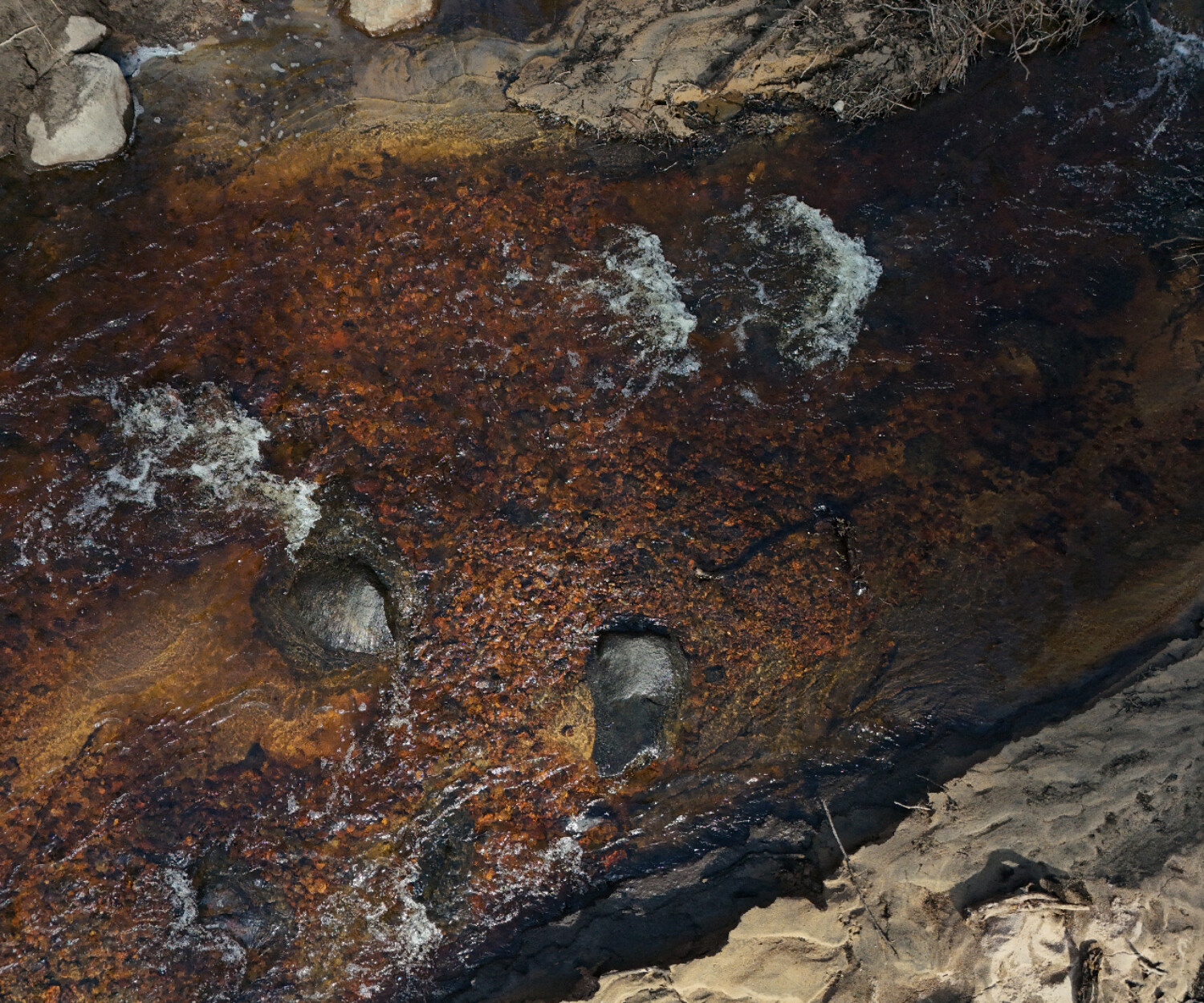
River Ätran

Sea lamprey and mussels in focus
In River Ätran, Halland’s second largest watercourse, and the tributary Högvadsån, migration obstacles will be remedied, spawning beds and nursery environments recreated, mainly focusing on sea lamprey and river pearl mussel, but other species of mussels and fish will also benefit from the measures.
River Ätran has a catchment area of 3,342 km², its largest tributary, Högvadsån, has a catchment area of 480 km². River Ätran has Natura 2000 status on 26 kilometers of its 250 km long river channel, from the outlet in Kattegat to the dam in Ätrafors. The Högvadsån also has Natura 2000 status for 28.5 kilometers.
River Ätran and its tributaries have a high species richness of benthic animals, fish, birds and mammals. River Ätran contains Sweden’s largest population of wild Atlantic salmon. The water system also supports sea lamprey, river lamprey and European eel. The Högvadsån river is home to the endangered river pearl mussel. Otters are also found in the area.
… mussels, as well as a large number of fish species, benefit from the measures.
Restoration needs
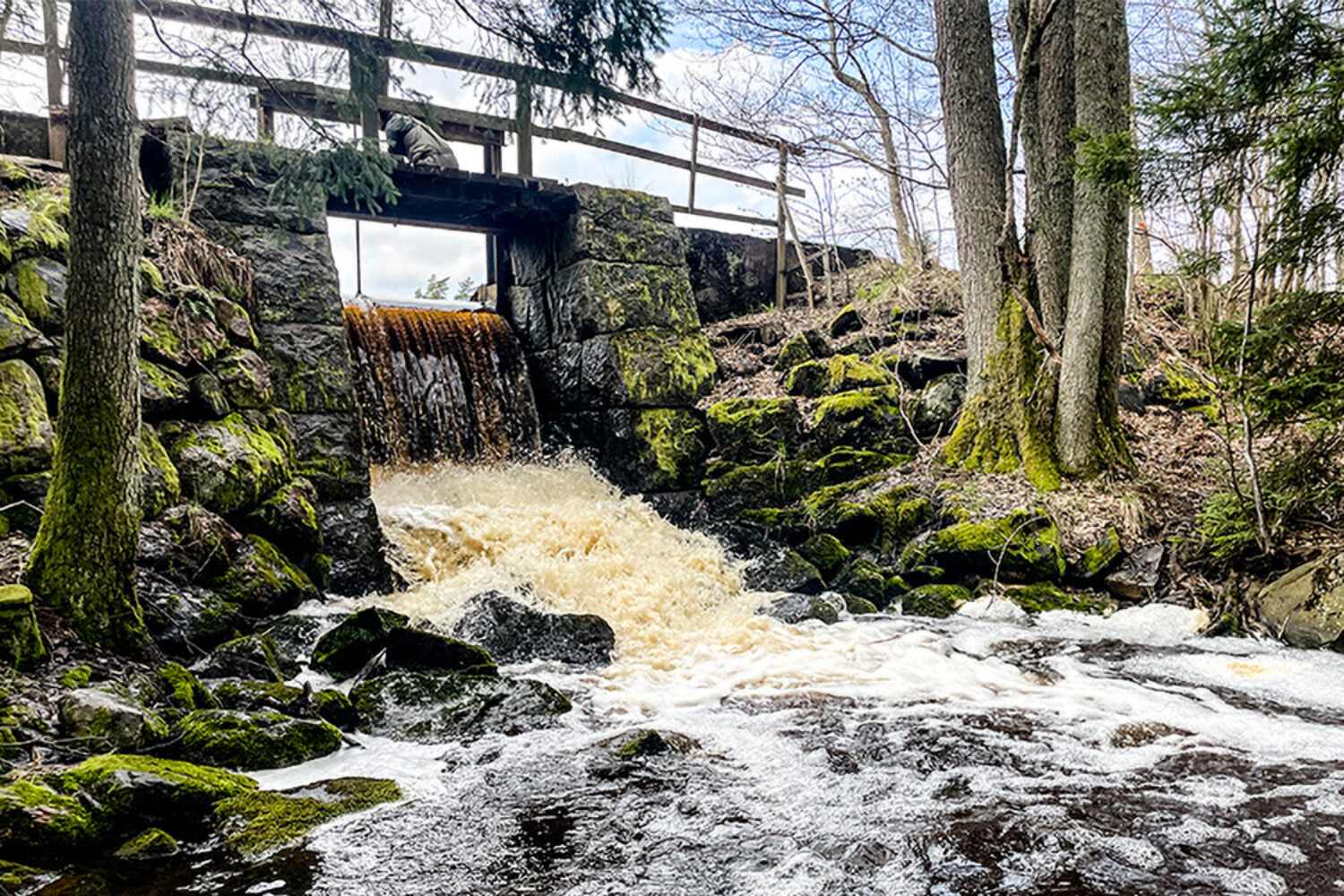
Barriers to migration, in particular the hydroelectric dam in Ätrafors, negatively affect fish migration and reproduction. Many of the Ätrans tributaries have permanent or partial migration barriers, which fragment the water system and negatively affect fish and mussels. Interventions such as straightening of watercourses and removal of natural materials have also caused habitat loss.
Sea lamprey, like salmon and trout, need flowing stretches for spawning, but also backwaters with sediments where larvae can grow up.
Project activities
The project aims to improve the Ätrans water system by removing migration barriers in the tributaries Stockån, Skärshultaån, Lillån and Vinån, increasing connectivity and the availability of reproduction areas for salmon and the nationally threatened river pearl mussel.
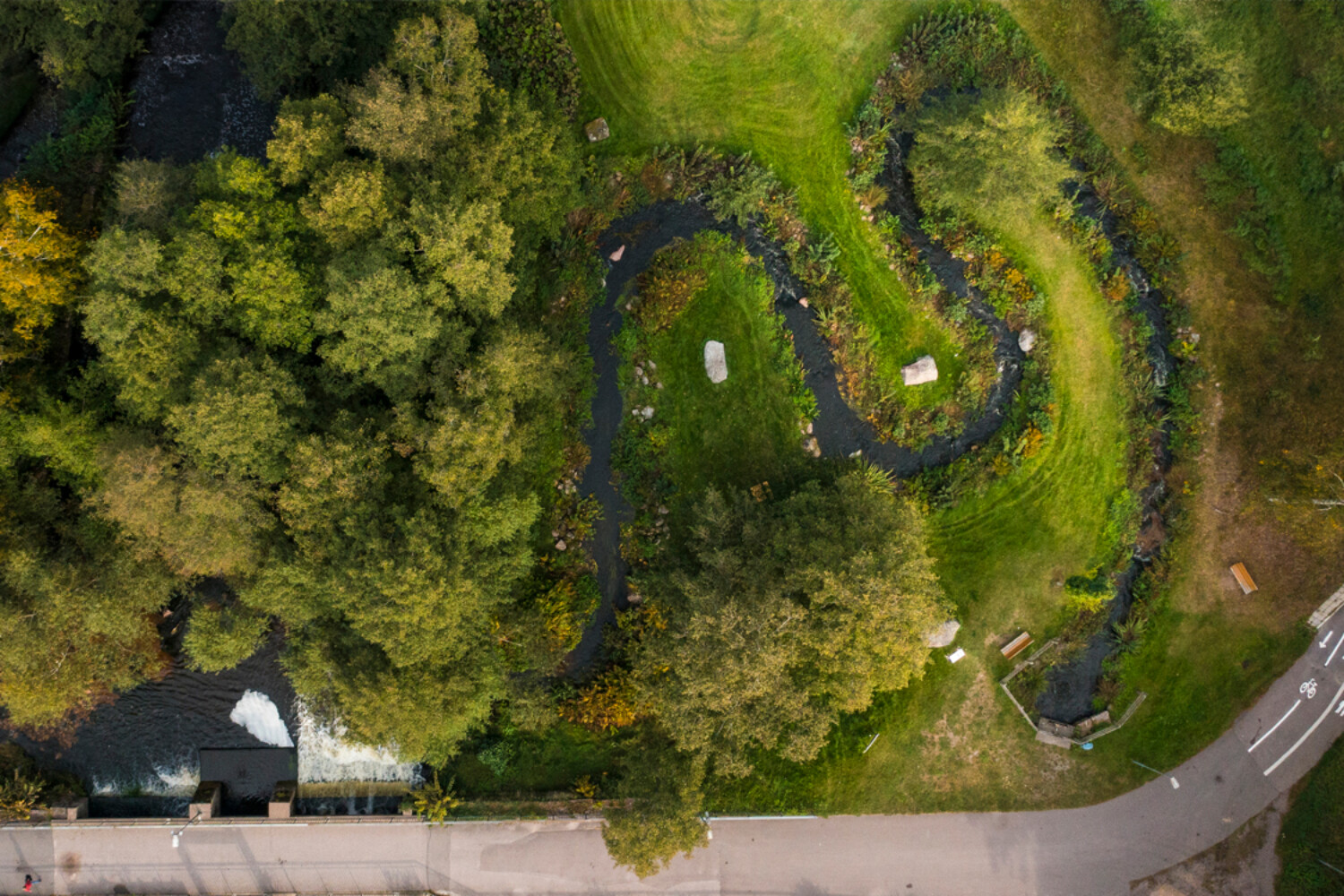
Furthermore, important habitats will be restored in River Ätran, Högvadsån and their tributaries, to restore natural hydrology and biodiversity will be improved by increasing the abundance of salmon, trout and their role as host fish for the river pearl mussel.
By combining connectivity and habitat restoration measures, the project will improve ecosystem functioning, strengthen biodiversity and increase the populations of species worthy of protection throughout the Ätrans water system.
Survival of river pearl mussels depends on host fish
Barriers to migration
Removing migration barriers and opening up the river pearl mussel’s host fish, salmon and trout, will increase the species’ ability to reproduce. Barriers to migration come in many forms, from natural to man-made dams and power plants. In some cases, a good solution may be to build a wildlife passage to allow fish and other organisms to bypass the migration barrier.
River Ätran
Latest news from the project area
Here you can read news about the target species and the actions being taken in the project area.